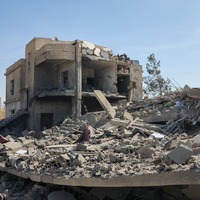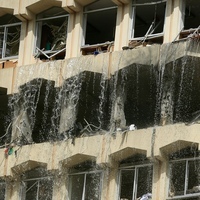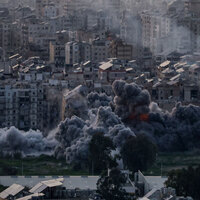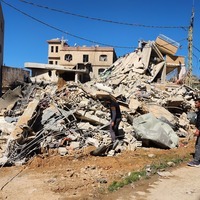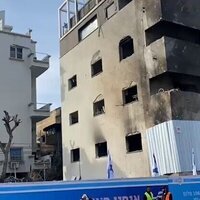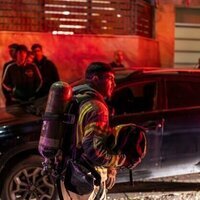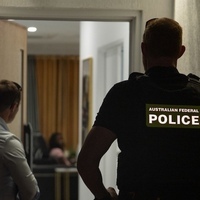


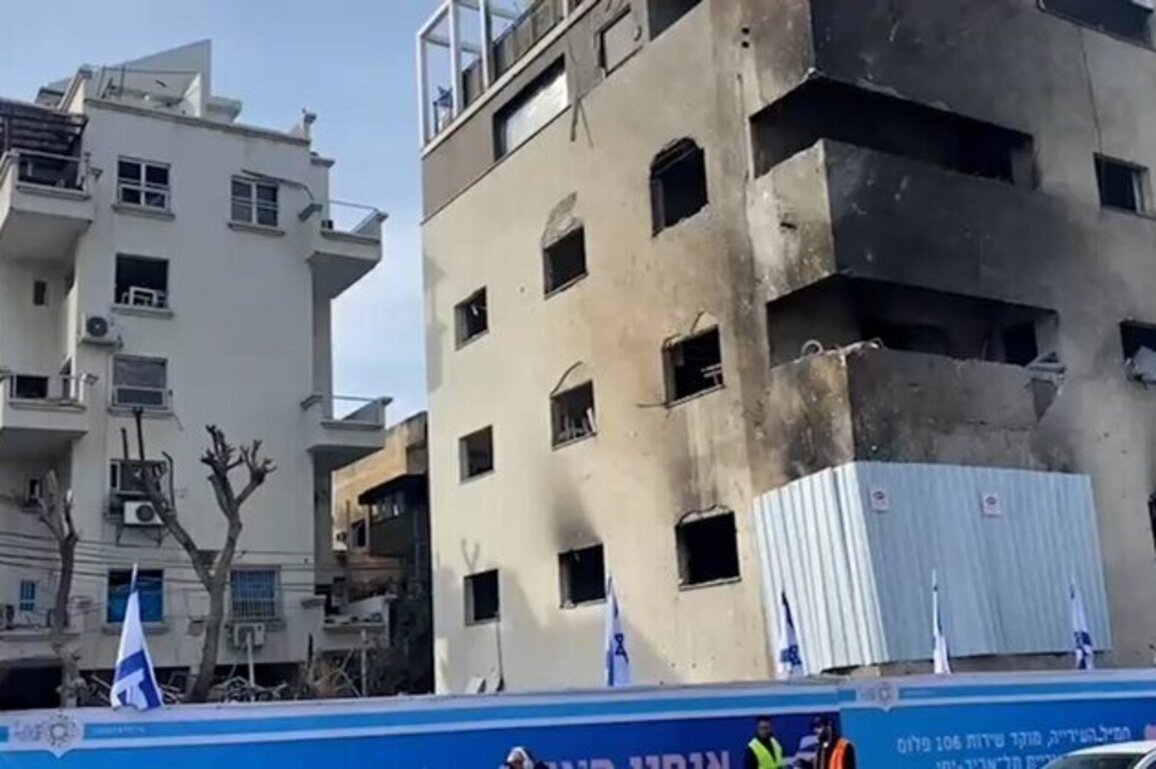
TEL AVIV Hidden away on a small street in a central district of town, the ruins of war come as something of a surprise. On nearby streets, hipsters fill outdoor cafes, Lime scooters clutter the sidewalks, and children play in parks. But turn a corner and youll see blackened walls, smashed windows, and rubble-strewn cars.
This is almost the only site in Tel Aviv that bears the scars of war, following an Iranian strike on the first night of the conflict. As such, it bears witness to the destructive power of Tehran's ballistic missiles. But the lack of other such sites underlines Israel's ability to shoot them down.
Its an aspect of the war so far that is having a profound impact on how Israel approaches what comes next.
EMBED VIDEO HERE :
https://www.rferl.org/a/israel-iran-lebanon-military-strikes/33697832.html
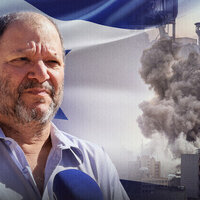
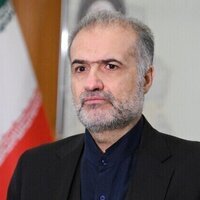
The Israeli point of view is that, well, things are going back to normal here, more or less. We just have a few sirens a day. I mean, we are used to it. We can tolerate it, former lawmaker Ksenia Svetlova told RFE/RL.
The implication? For Israel, the long game is an easy choice.
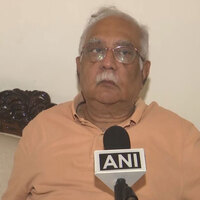
The Iranians right now are running low on ballistic missiles and specifically on launchers, but they still have drones. The drones cannot hurt Israel much. We know how to intercept them, said Svetlova, now executive director of an NGO called ROPES -- the Regional Organization for Peace, Economics, and Security.
Ksenia Svetlova, executive director of a non-governmental group called ROPES (Regional Organization for Peace, Economics, and Security).
There is indeed an air of routine rather than alarm as people here make their way down to underground shelters whenever alerts sound on their phone apps.
Israels capacity to intercept incoming drones and missiles is measurable by the civilian casualty toll, with 12 fatalities after a week of conflict. Meanwhile,Israeli and US forceshave decapitated the Iranian leadership and appear to have massively downgraded Tehrans military capabilities.
We are striking the enemy, its leadership, its oppressive regime, and different targets, Israeli Prime Minister Benjamin Netanyahu said on March 6, while visiting Beersheba, where some 20 people were injured in an Iranian strike earlier in the week.
The bullish tone in his remarks on the progress of the war matched the iconography of resolve that lines the streets here: Israeli and US flags can be seen everywhere, as can billboards depicting a Roaring Lion this countrys military codename for the operation called Epic Fury by Washington.
Netanyahu has long called for regime change in Iran, as well as the destruction of its nuclear and missile programs. He has said the aim of this operation is to crush the regime of terror completely.
Opinion polls show Israelis overwhelmingly support the war. Long-standing Netanyahu critics do, too.
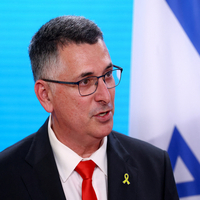
Veteran opposition politicianAvigdor Libermantold RFE/RL the war was going very well but that the final result was the key issue. This, he said, had to be to topple this regime.
Israeli opposition politician Avigdor Liberman talking to RFE/RL's Ray Furlong in Tel Aviv
Liberman, who has served as minister of defense, foreign affairs, and finance in various governments over the years, said he was confident this could be achieved but did not explain how.
The worst case would be Iran descending into chaos he said.
It's really a huge question because what we saw in Libya, Iraq, Syria, it's real turmoil. But from all alternatives...the worst alternative is if [the clerical authorities] will continue to rule Iran, he said.
But reserve Major General Yaakov Amidror, a former national security adviser for Netanyahu who clashed with him over policy on the West Bank, suggested that the talk of regime change may not be serious.
The goal of the war is a very strong agreement between Israel and the United States, he told an event held by the Jerusalem Institute for Strategy and Security (JSIS) this week.
First, to eliminate totally any ability which is connected either to the missiles or to the nuclear project. Any guy who was there, any building which was connected, any place which was connected, any capability which is needed, everything should be totally destroyed. I think that both sides understand regime change is something that cannot be guaranteed, he said.