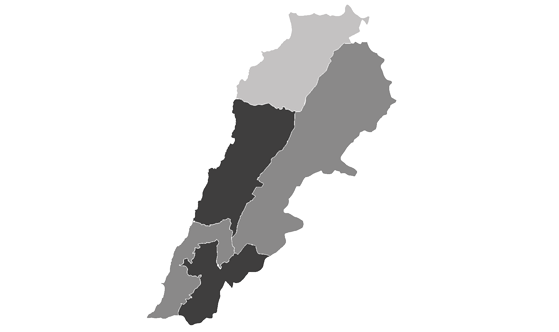



War in the Middle East has made Lebanon the deadliest country for media workers so far this year, but practically no country offers a safe environment in which to be a journalist, according to the UN High Commissioner for Human Rights.
Reports of online violence against women journalists have doubled since 2020, with serious impacts on their health and well-being, according to a study published ahead ofWorld Press Freedom Daymarked annually on 3 May.
An independent organization for journalists in Sudan has been honoured for its commitment to deliver accurate, lifesaving information amid the ongoing civil war, the UN educational and cultural agency UNESCO announced on Thursday.
Volker Trk highlightedgrowing threats to the mediain a message ahead ofWorld Press Freedom Day,observedannually on 3 May.
When attacks on the media arenormalised, freedom itself begins to decay, and with it, the foundations of peace, security, and sustainable development, hewarned.
A dangerous job
The High Commissioner paidtribute tothe courageous reporters and photographersacross theworldwho document horrific atrocities, expose corruption, and scrutinize business operations.
Henoted, however,thatjournalism todayhas become an insecure and, at times, dangerous professionas media workers have been bombed in their cars, abducted from their offices, silenced behind bars, and dismissed from their jobs.
At least 14 journalists have been killed since January,onlyarounda tenth of killings in the past two decades has led to full accountability,andcoveringarmed conflict poses the highest risk.
UN News
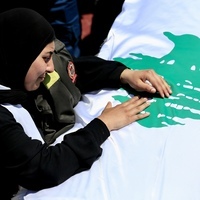
Mourners perform the funeral prayer for Palestinian journalists killed in an Israeli airstrike on 10 August 2025.
Gaza death trap
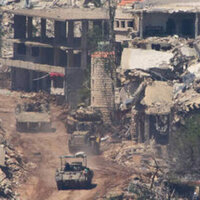
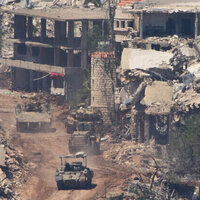
Israels war in Gaza has become a death trap for the media. My Office has verified the killing ofnearly 300journalists since October 2023, with many more injured, he said.
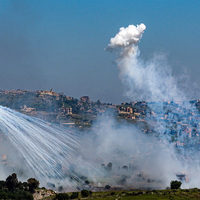
So far in 2026, Lebanon is the deadliest country for media workers.
Furthermore, it is often only local reporters who are covering wars, such as the journalists he met in Sudan who had faced extreme violence, brutality, and even famine all while trying to continue their essential work.
The firstcasualtiesin war
In hismessagefor the Day, UNSecretary-General Antnio Guterresaffirmed that recent years have seen a sharp rise in the number of journalists killedoften deliberately targetedin war zones.
Although a popular saying states that truth is the first casualty in war,far too frequently, the first casualties are the journalists who risk everything to report that truth not only in war, but wherever those in power fear scrutiny.
But press freedom is also under unprecedented straindue to economic pressures, new technologies, and active manipulation, he said.
No safe place
Echoing this,Mr. Trk warned that virtually no country istruly safe for those who speak truth to power.
The High Commissioner pointed to his recent visit toMexico,where reporting on corruption, environmental harm or organized crime has exposed journalists, their sources and even their families to grave risks.
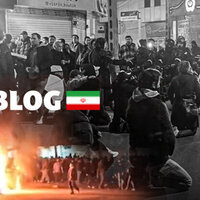
I am deeply concerned that media workers are the primary targets of growing transnational repression and surveillance most recently seen in attacks against Iranian journalists abroad, he said.
Online harassment and abuse
At the same time,laws on defamation, disinformation, cybercrime, and terrorism are increasinglybeing used to protect the powerful, while costly legal casesare being used tointimidateand silencejournalists.
Worldwide,roughly330media workers arecurrentlydetainedalong with some500 citizen journalists and human rights bloggers.
The UN rights chiefvoiced concern over online harassment and bullying, which disproportionately affects women journaliststhree-quarters of whom have suffered abuse such as smear campaigns and threats of sexual violence.
Such attacksrisk creating a disinformation society, in which the media is forced to obscure facts and deny science to operate in safety, he said.
Silencing the press
Meanwhile, efforts to silence the press have become disturbingly creative,such as restricting access, internetshutdownsand news blackouts. He noted that in some cases, an unholy alliance between political, corporate, and media power is damaging democracy and polarizing societies.
Economic pressure is reaching record levels, compounding the situation. Innearly athird of countries, funding cuts and media concentration are forcing local news outlets to close.
UN Photo/Fardosa Hussein
Journalists in Somalia attend a press conference. (file)
Driven by conviction
In the face of these challenges,journalistscontinue toreport in the harshest conditions even from hospital beds and wheelchairsbecause they believe the truth is worth fighting for.
Stressing that they cannot fight alone, Mr.Trkcalled for countries to end the persecution of the press, lift arbitrary restrictions, repeal abusive laws, and align legal frameworks with international human rights standards.
Governments are urgedto prevent attacks against media workers,protect them from surveillanceincludingwhen working abroad, investigate violations and ensure accountability.
Healsoappealedfor tech companies to take meaningful action against online abuse and disinformation, andunderlined the importance ofmaintainingindependence, transparency, and integrity within media institutions.